

By Collectorly | Numismatic History & Research
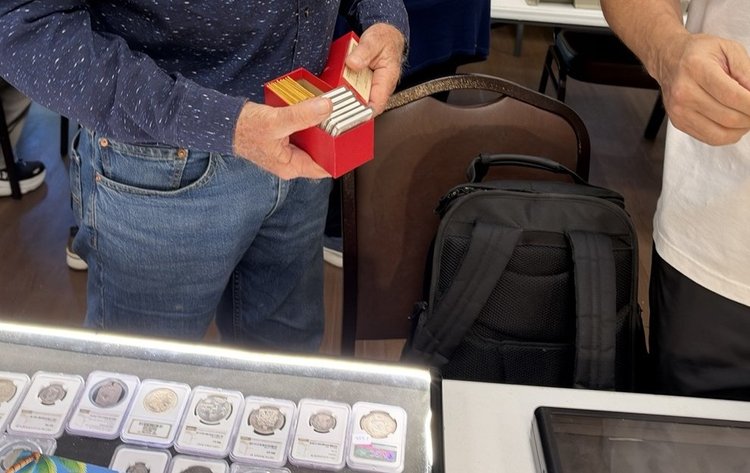
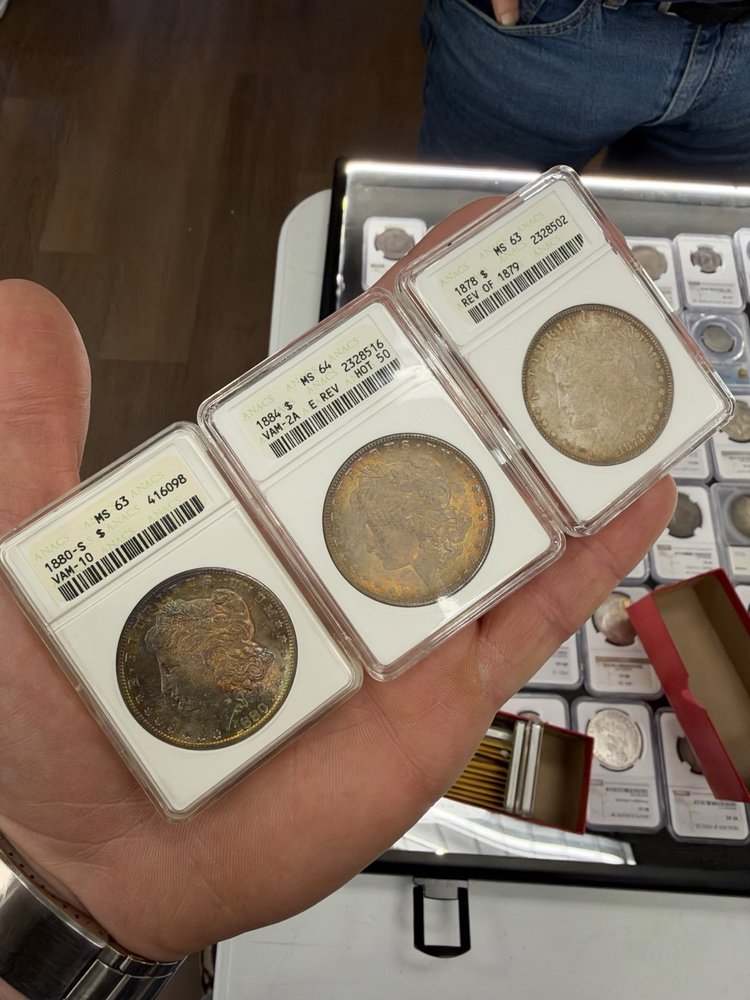
At the Fort Lauderdale show, two collectors got together at my table. They both have a passion for toners. One of them showed us part of his collection, including coins he’s had for decades. They traded ideas about what they look for and why certain coins stand out. That’s one of the things I love about what I do. I get to hear people’s stories and see how they collect. That’s what I love most about numismatics: how a shared passion brings people together and how much we learn from each other.
For years, many collectors wanted their silver coins frosty white. Jeff Garrett points out that demand for attractively toned coins now spans nearly every denomination, and he sees social media helping fuel that interest. Morgan dollars are an obvious example, and the appeal carries over to other series. Read Garrett’s NGC column.
My dad, my younger brother, and I took a family trip to the ANA show in Pittsburgh. My brother was 12, had just joined the ANA, and was at his first coin show. The three of us stopped at Jeff Garrett’s table and talked with him. We watched him open a sealed bag of Morgan dollars. Jeff told us he expected some incredible toners after the coins had spent nearly 75 years in storage. Everyone around the table wanted to see what would come out next.
Seeing the show through my brother’s eyes, I get why younger collectors go for toners. The color makes you stop and look. I hear that same excitement when I talk to people who’ve been collecting for decades.

When I say toner, I just mean a coin that’s picked up color on its surface over time.
You’ve got album toners with color around the rim, end-of-roll toners with color on one side, and tape toners with a stripe. On a bag-toned Morgan, sometimes you get a crescent where another coin covered part of it. Two coins with the same date can look totally different.
There’s also natural dark toning. Over the years, silver can take on a deep gray or nearly black tone. Cabinet toning is the term collectors use for toning associated with coins kept in cabinet trays for years. I like that softer gray you sometimes see on old silver. Color alone can’t tell you where the coin was stored.
How coins get their color
On silver, sulfur compounds in the air can leave a tiny layer of silver sulfide. Light bounces off that layer and the silver underneath, a bit like the colors on a soap bubble. The thickness changes what you see. Gold, rose, purple and blue can show up on the same coin. A thicker layer can look dark gray or black.
Copper can go from red (RD) to red-brown (RB) or brown (BN). Copper-nickel coins can pick up a tint too. Gold itself is less reactive, but copper in a gold coin can leave reddish spots.
Natural toning can develop in a bag, album or envelope, while heat or chemicals can speed it up. I look at how the colors blend and whether I can still see the mint luster. A sharp break or flat color can make me look closer, but one clue alone won’t tell me how it toned. Grading services can flag questionable or artificial color. A really attractive toner can bring a premium.
Further reading Canadian Conservation Institute · PCGS · NGC
In hand, you turn the coin a little and the color changes. That’s hard to get in a photo. Some AI tools, just by cutting out the background, can change the colors or redraw part of a date or mintmark. Then you can barely tell what coin you’re looking at. For me, just take out the background and leave the coin as it is.
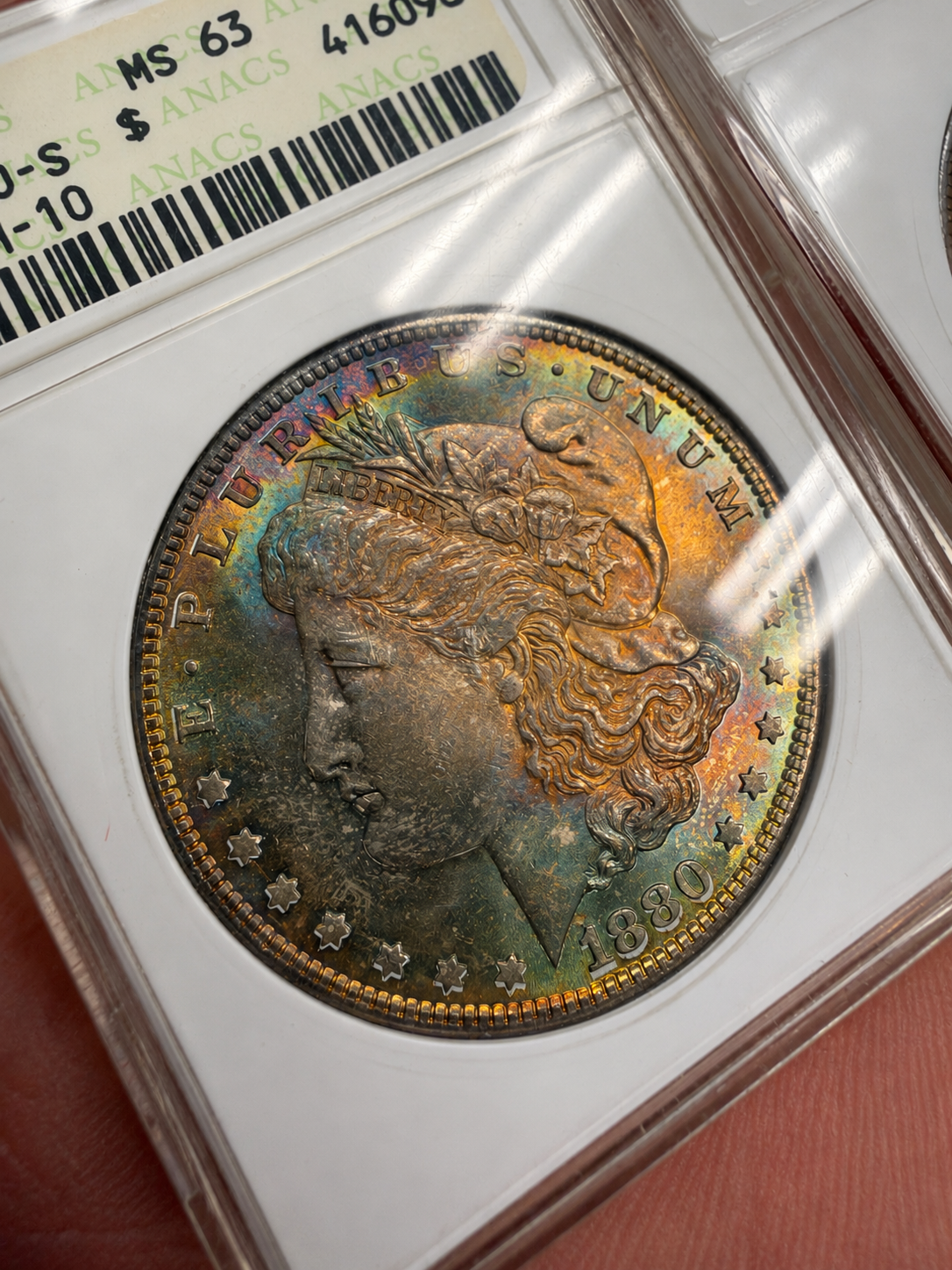
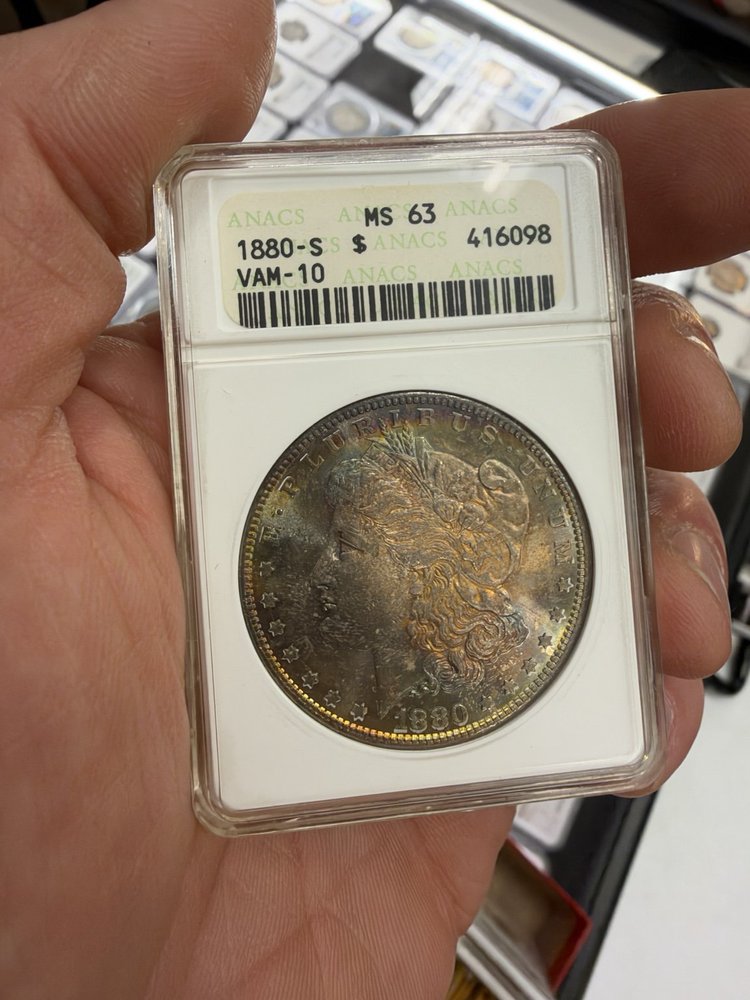
Something else I’ve been seeing lately in listings is AI enhancement that happens as the photo is taken. Depending on the tool, it can boost saturation or contrast, sharpen details, or smooth the surface before the image is even saved. The 1880-S Morgan dollar in the header is an example. That close-up was retouched with AI, and it shows why I’d ask for the original photo before judging the coin’s toning or luster. When color is a big part of the price, I want to see an unfiltered photo or a short video of the coin turning under steady light. Even then, seeing it in hand tells you more.
More coins from the show and my collection
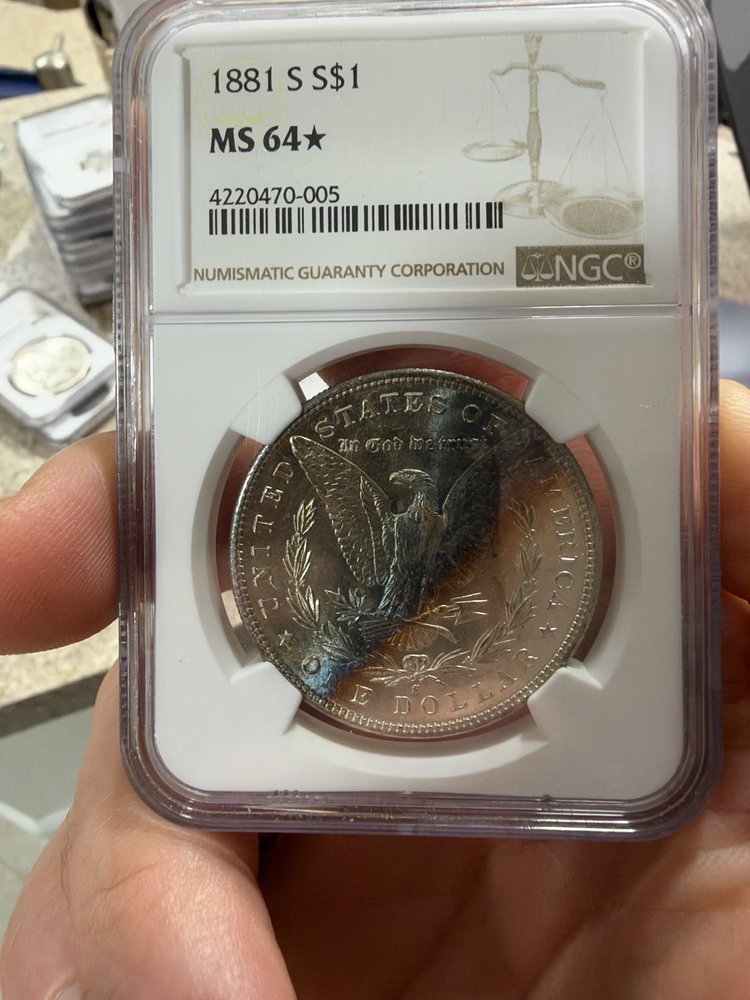
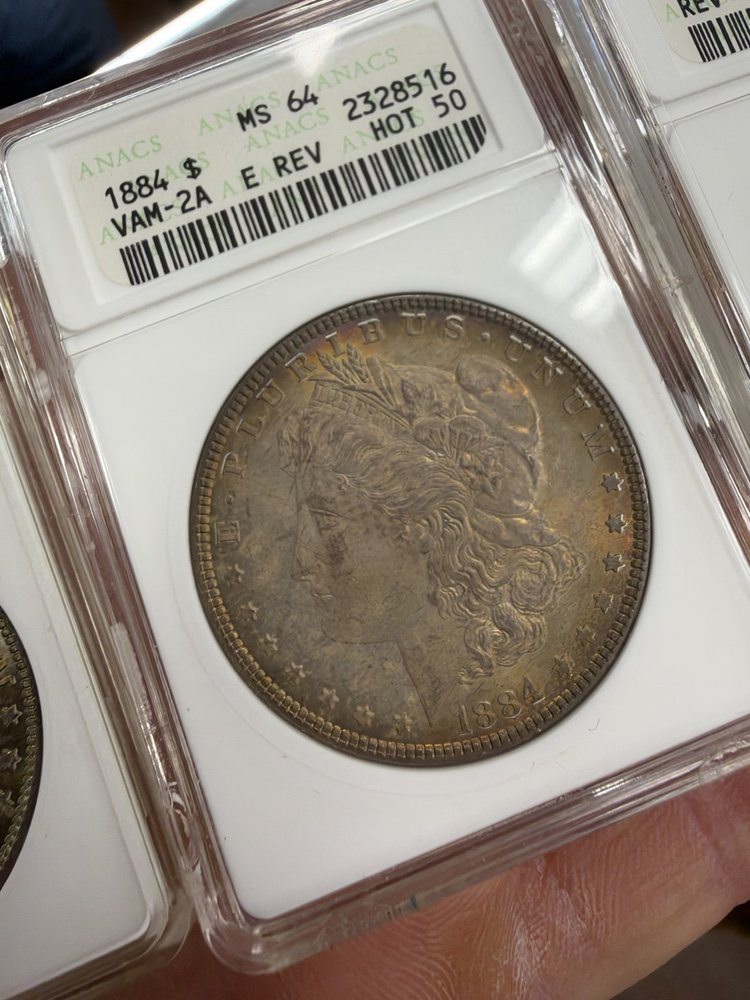
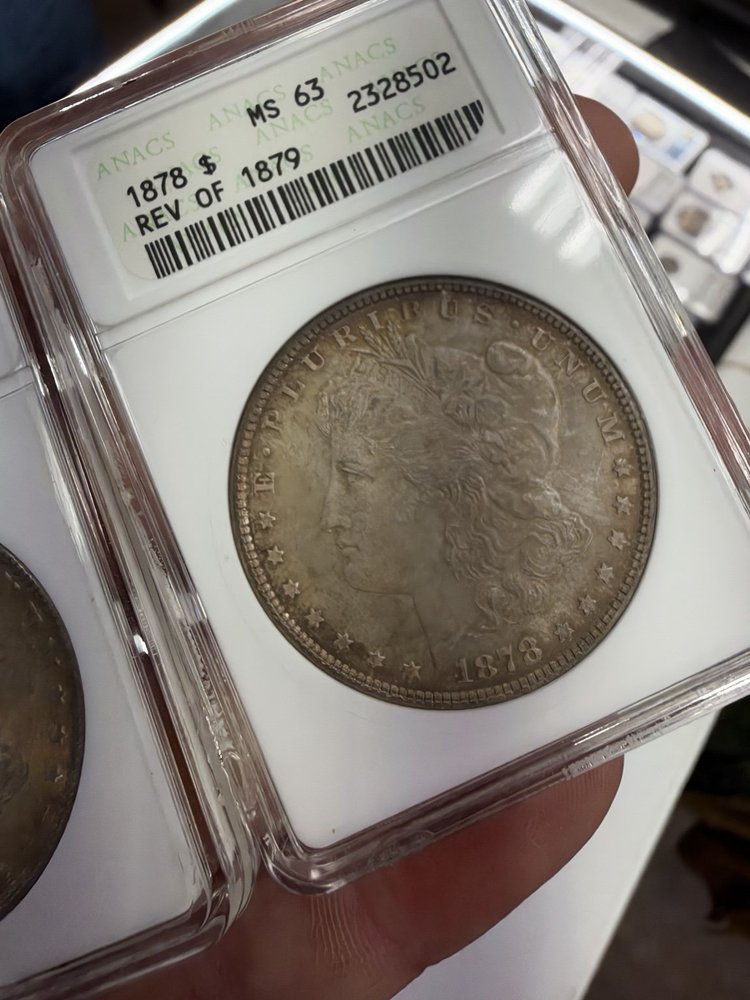
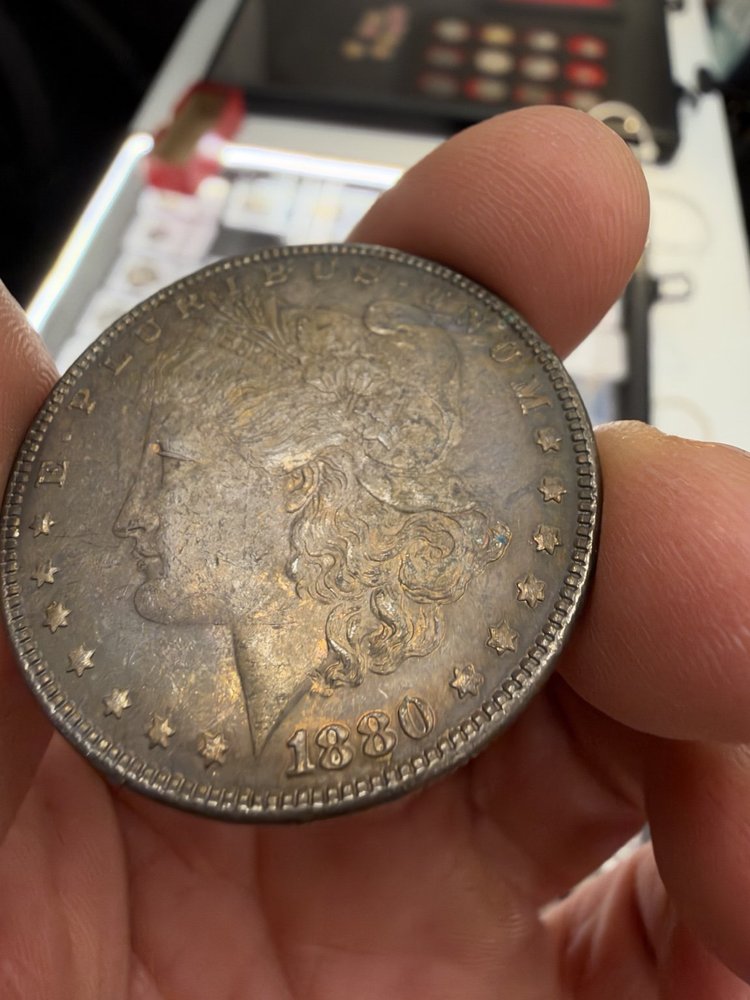
Morgan dollars
Guatemala, Cuba, Peru, and Bolivia
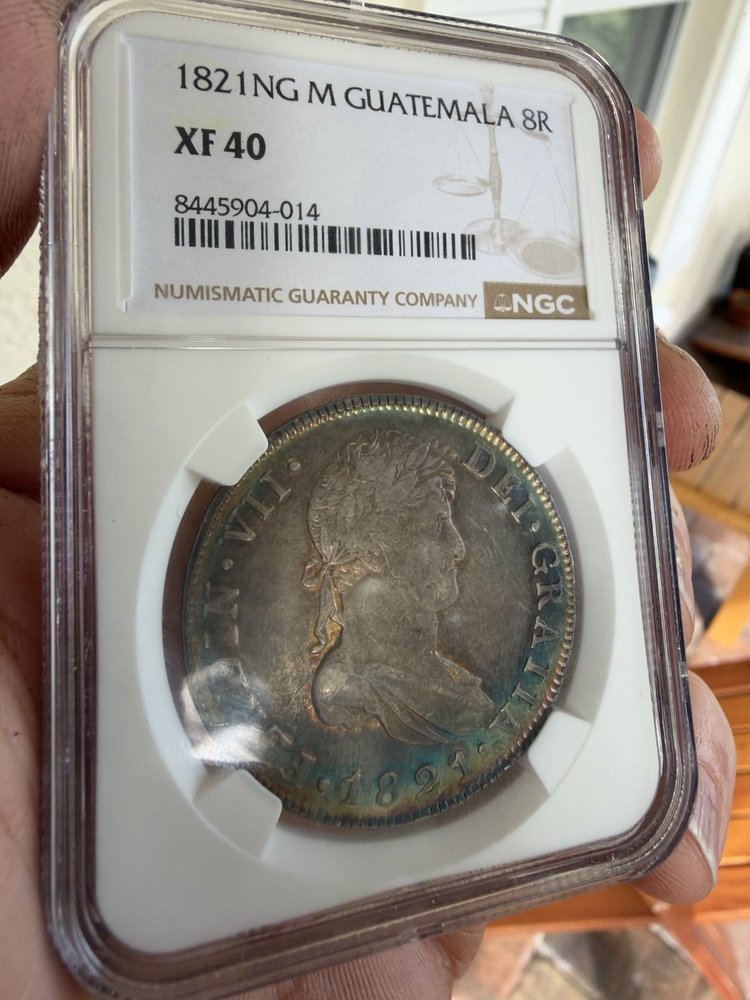
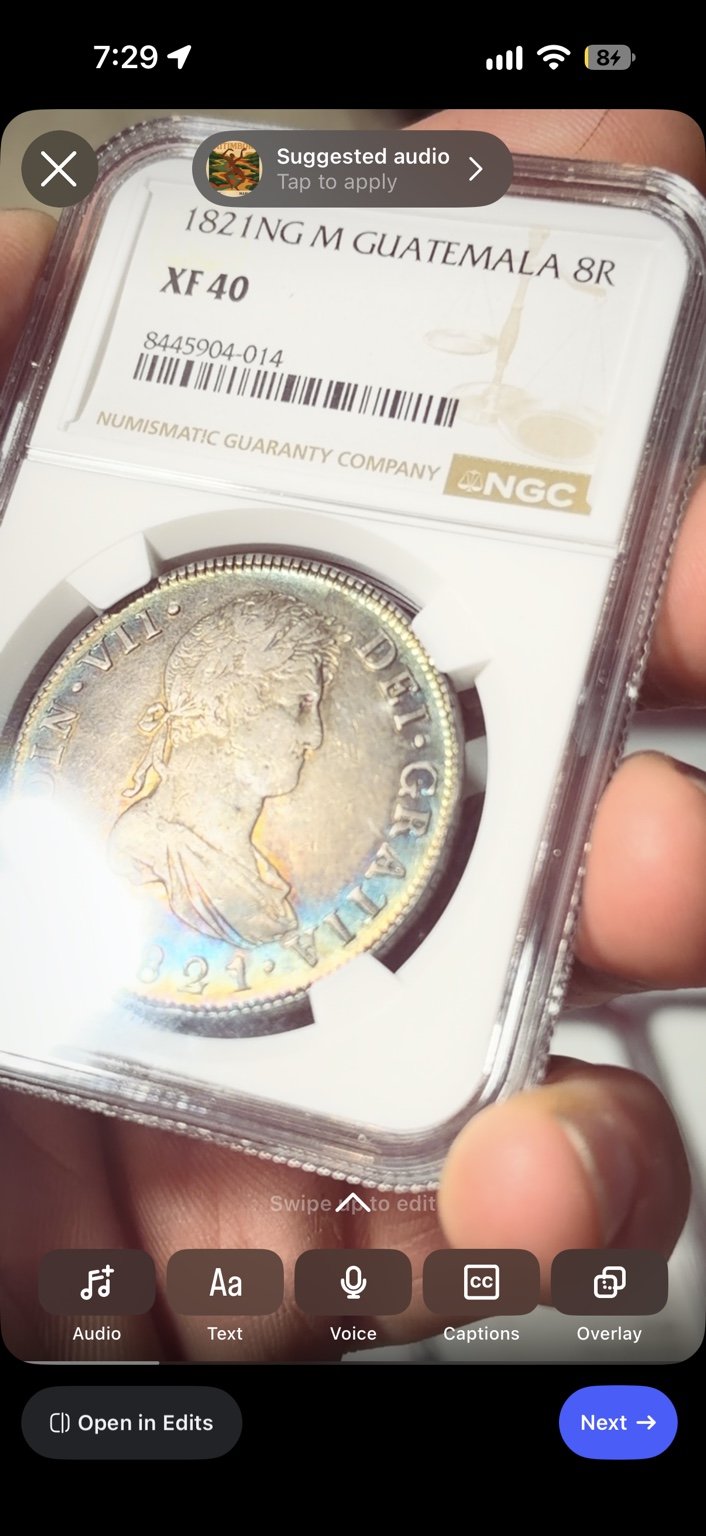
This Guatemala 8 reales was part of my collection. It’s since changed hands, and I’m glad it’s with a collector who appreciates it.
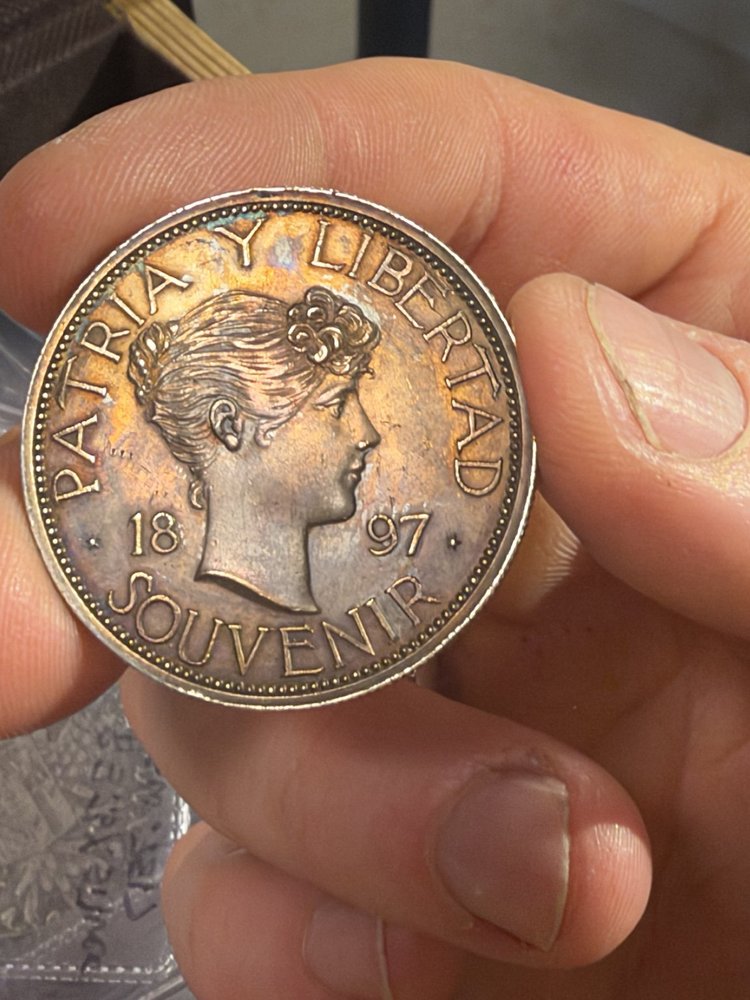
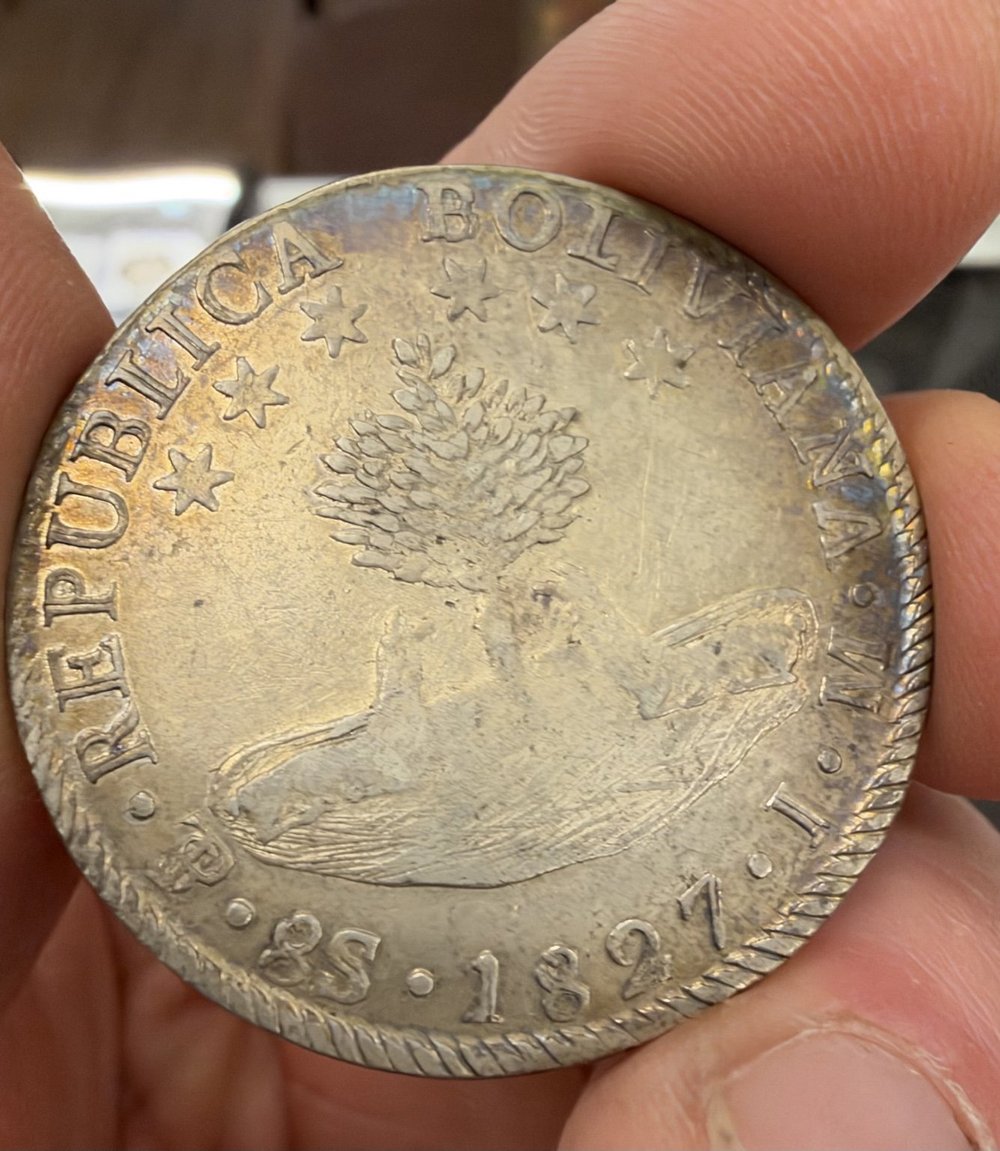
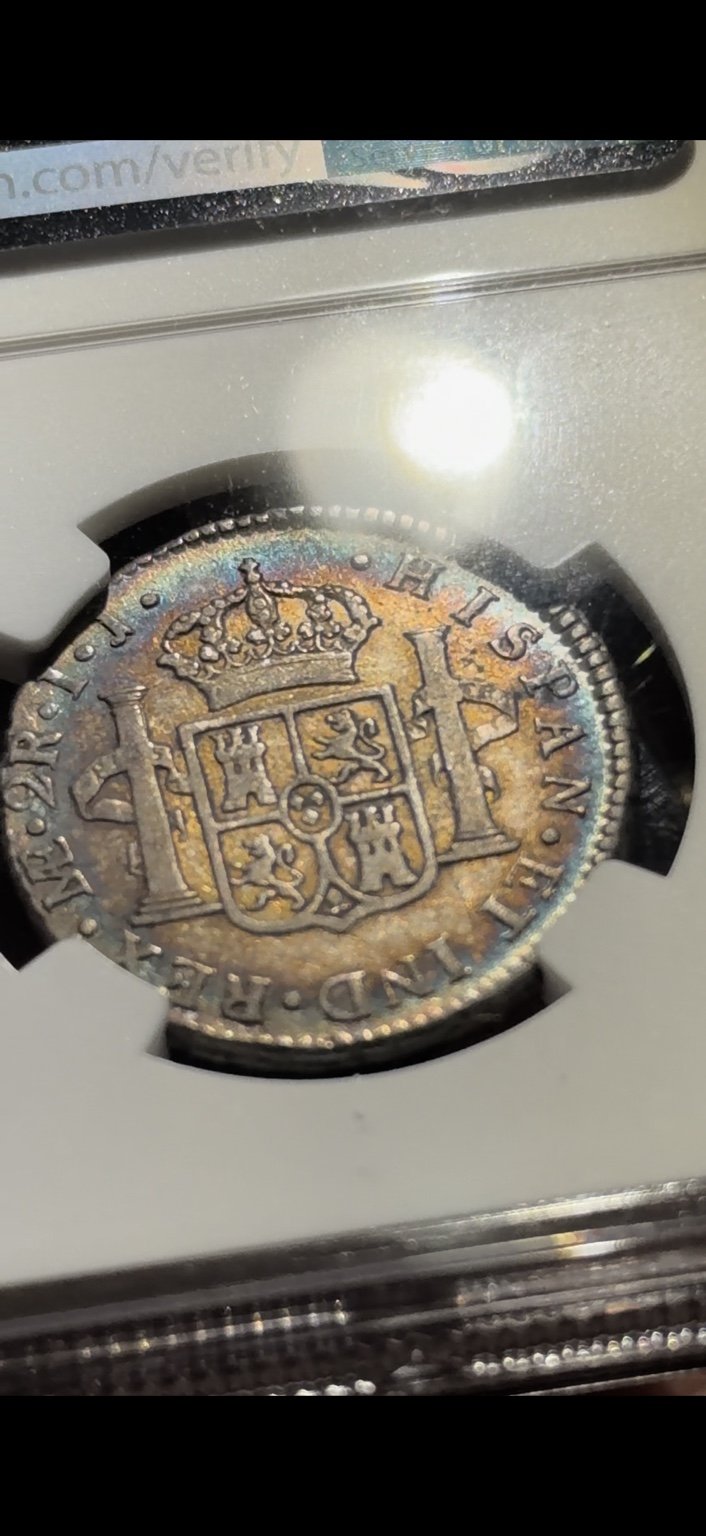
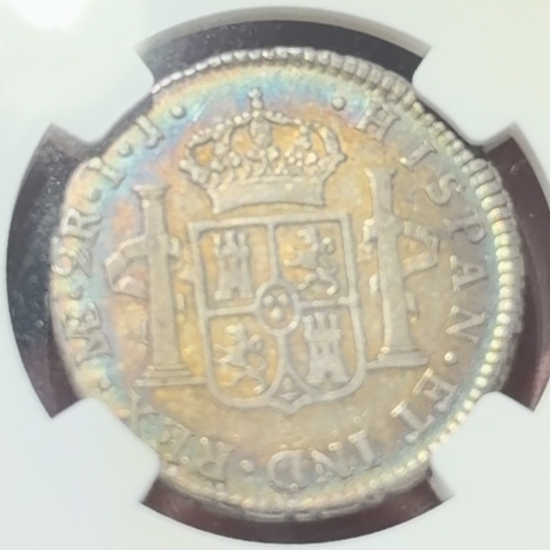
On the Peru 2 reales, I like how the gold sits around the shield and blue-green shows up near the rim when you tilt it.
What’s your type of toner?
